Why is everyone talking about age verification laws right now?
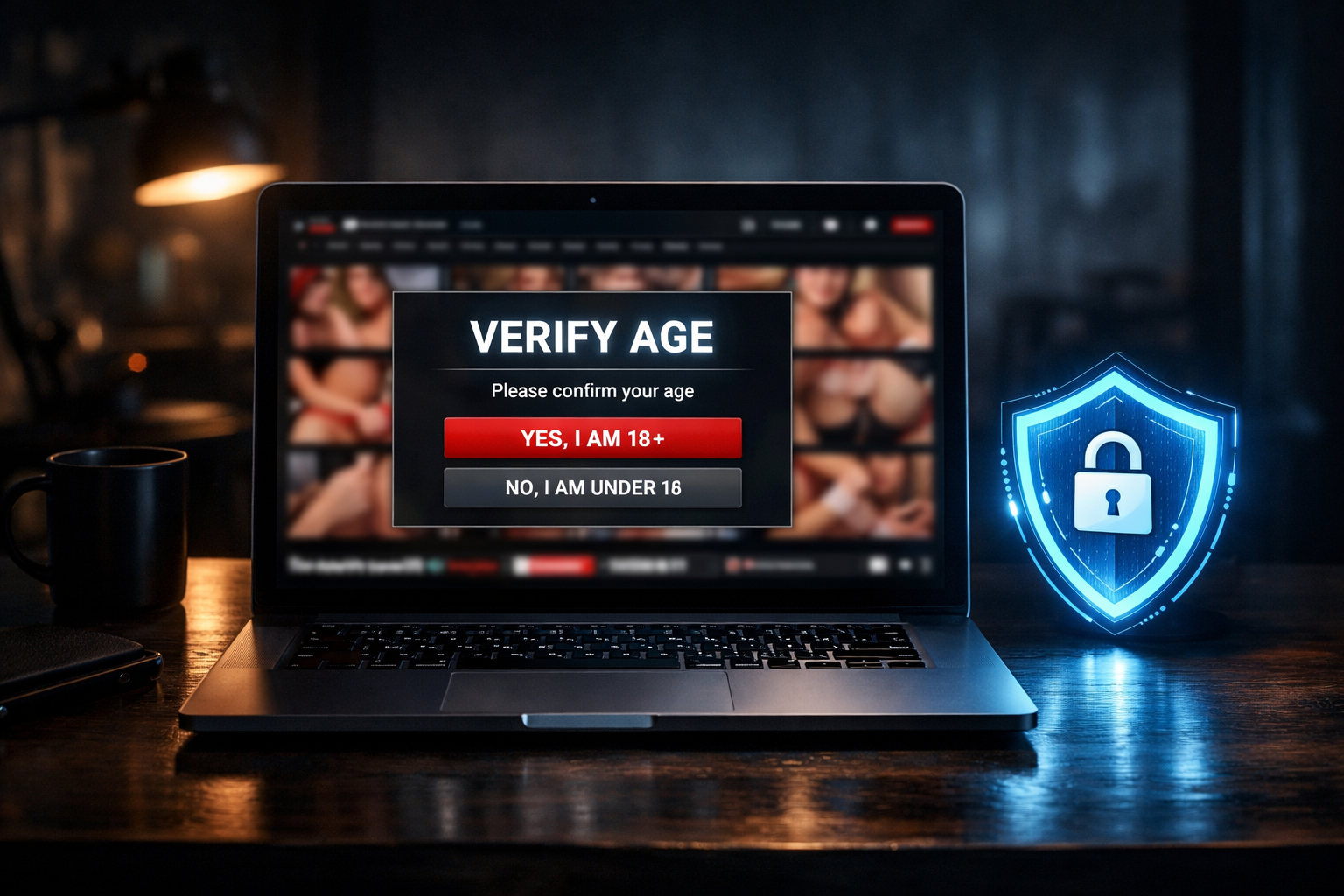
The digital landscape for adult content has shifted dramatically over the last year. What used to be a simple “Are you 18?” click-through has evolved into a complex web of government-mandated identity checks. From the United States to the United Kingdom and across the European Union, lawmakers are increasingly requiring platforms to verify the age of their users using highly sensitive personal data.
This shift has led to what many are calling the “Pornhub Blackout.” In states like Texas, Virginia, and North Carolina, major adult platforms have chosen to block access entirely rather than comply with laws they deem privacy-invasive. For the average user, this means that your favorite sites might suddenly be “Access Denied” simply because of your IP address.
The transition from an “honor system” to a “surveillance system” has left many adults wondering how they can maintain their privacy while accessing legal content. It is no longer just about age; it is about who has access to your most private browsing habits and your government-issued identification.
What are the real privacy risks of uploading your ID?
As a cybersecurity expert, the idea of uploading a driver’s license or a facial scan to an adult website is a massive red flag. These platforms, regardless of their intentions, become “honeypots” for hackers. A centralized database containing the real names, addresses, and browsing preferences of millions of people is a gold mine for identity theft and blackmail.

History has shown us that no database is truly unhackable. When you hand over your ID, you are trusting that the site—and any third-party verification service they use—will keep that data secure forever. In the world of cybersecurity, we often see that “double-blind” systems are not as anonymous as they claim to be, and data leaks are often a matter of “when,” not “if.”
The risk of your private life being exposed through a data breach is a heavy price to pay for a few minutes of entertainment. This is why many users are seeking alternatives that respect their anonymity and do not require them to compromise their digital security.
How do these laws actually work (and fail)?
Technically, these laws rely on two main methods: IP-based geo-blocking and mandatory ID verification. When you visit a site, it checks your IP address to see if you are in a restricted jurisdiction. If you are, the site is legally obligated to either verify your age or block your access. However, this system is inherently flawed because it assumes your IP address is an unchangeable marker of your location.
Statistics from the UK’s Online Safety Act show that while traffic to major sites dropped by about 23% initially, there was a simultaneous 400% spike in VPN-related searches. This suggests that users aren’t stopping their behavior; they are simply finding ways around the digital fences. The laws often fail to account for the borderless nature of the internet and the technical savvy of the modern user.
Furthermore, “Safe Search” and “Age Assurance” tools are often easily bypassed by anyone with basic technical knowledge. Instead of protecting minors, these laws frequently end up creating a more dangerous environment where adults are forced toward less secure, unverified corners of the web.
Which are the top 10 sites still accessible without ID?
If you are looking for content without the hassle of a government check, you need to know where to look. While major “tube” sites are the primary targets of legislation, many other platforms still prioritize user privacy or operate outside the reach of these specific laws.
| Site Name | Why It Works | Privacy Level |
|---|---|---|
| Eporner | High-quality tube site with lenient regional checks. | Moderate |
| SpankBang | Massive library that often bypasses state-level blocks. | Moderate |
| Beeg | Minimalist design that avoids complex verification. | High |
| Motherless | Community-driven and often ignores mainstream laws. | Moderate |
| Tube8 | Occasionally remains accessible where others are blocked. | Moderate |
| YouPorn | Different regional blocking patterns than Pornhub. | Moderate |
| Thumbzilla | Mobile-friendly and often flies under the radar. | Moderate |
| Heavy-R | Niche focus that operates outside mainstream regulation. | Moderate |
| TNAflix | Long-standing “no-ID” approach in many regions. | Moderate |
| Reddit (NSFW) | The largest source of content without mandatory ID. | Very High |
Navigating these options requires a bit more care than just clicking a link. You should always ensure you are using a secure connection and avoiding any site that asks for personal information under the guise of “verification.”
What are the biggest concerns from the community?
On forums like r/privacy and r/technology, the discussion is heated. The most prominent concern is the “Shady Site Dilemma.” By blocking reputable sites, users are being driven toward unregulated platforms that may host malware or unethical content. The community consensus is that these laws are creating a “security nightmare” by forcing adults to choose between their privacy and their safety.
Another major talking point is the “Data Breach Time Bomb.” Users argue that it’s not a matter of if these ID databases will be hacked, but when. The potential for blackmail is a real fear, especially for those in sensitive professions. There is also a growing sense of frustration over the “Digital Divide,” as these laws effectively exclude anyone without a smartphone or a government ID from accessing legal adult content.
Why is a VPN your best friend for online privacy?
In 2026, a VPN is no longer a luxury; it is an essential tool for anyone who values their digital freedom. A VPN (Virtual Private Network) works by masking your real IP address and replacing it with one from a different location. If you are in a state with strict age laws, you can simply connect to a server in a “free” state or country, and the website will treat you as a local visitor.
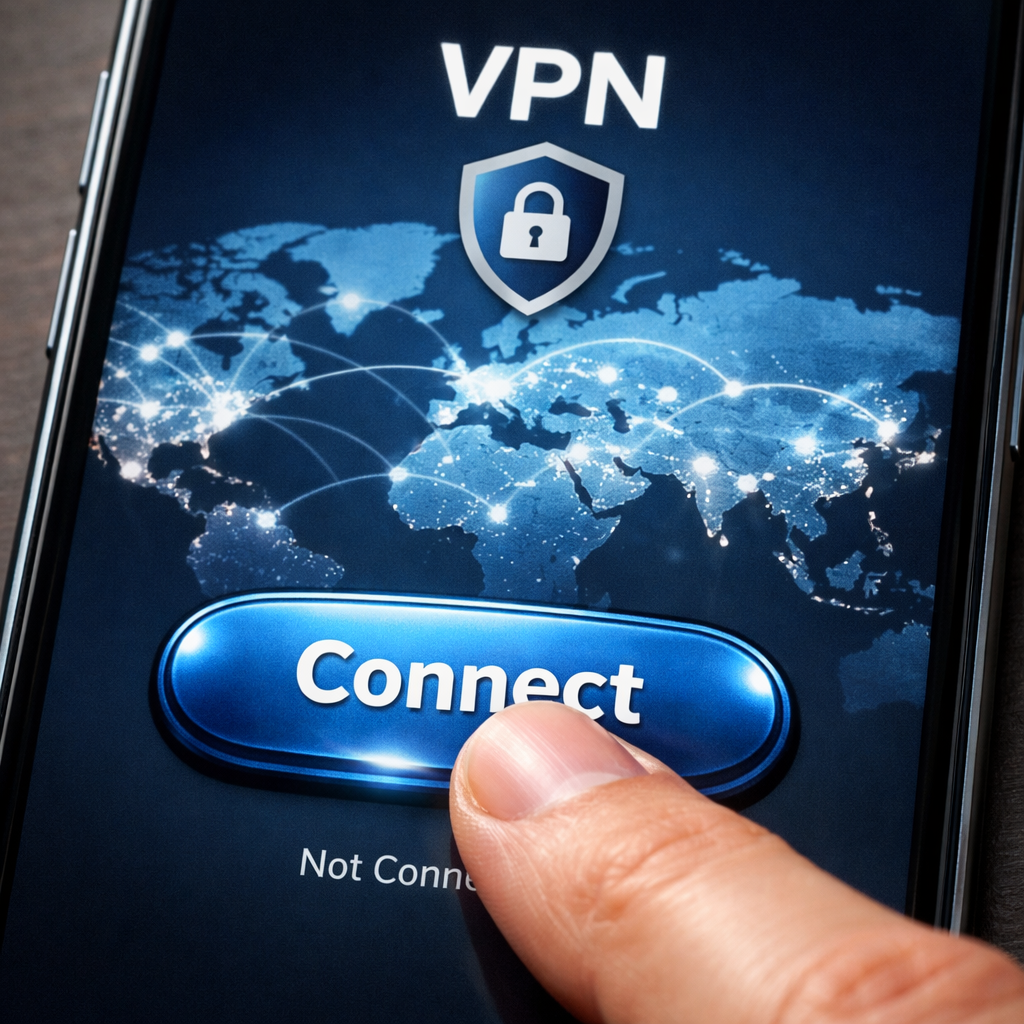
Beyond just bypassing blocks, a VPN encrypts your entire internet connection. This means your ISP (Internet Service Provider), the government, and even the websites you visit cannot see exactly what you are doing or who you are. This layer of encryption is your primary defense against the “surveillance state” that these new laws are inadvertently creating.
When choosing a VPN for adult content, the most important feature is a “No-Logs” policy. This ensures that even if the VPN provider is subpoenaed, they have no data to hand over because they never recorded your activity in the first place.
Who are the top 5 VPNs for private streaming in 2026?
Based on my extensive testing and the current digital climate, these are the top 5 VPN products that offer the best balance of speed, privacy, and reliability for accessing adult content.
- NordVPN: The best all-around choice. Its “Obfuscated Servers” are specifically designed to bypass even the toughest firewalls and geo-blocks, making it perfect for restricted states.
- Proton VPN: Based in Switzerland, this is the gold standard for privacy purists. It is open-source and has a proven track record of protecting user data under strict Swiss privacy laws.
- ExpressVPN: If you are streaming in 4K, you need speed. ExpressVPN offers the fastest server network in the industry, ensuring your experience is buffer-free.
- Surfshark: The best value for families or power users. It allows for unlimited simultaneous connections, meaning you can protect every device in your house with a single subscription.
- Mullvad VPN: For those who want total anonymity. You don’t even need an email address to sign up—just a randomly generated account number and a payment.
How can you stay safe while browsing adult content?
Privacy is a habit, not just a tool you turn on and off. Even with a VPN, you should always use your browser’s “Incognito” or “Private” mode. This prevents your device from saving cookies and history locally, which is a crucial step if you share your computer with others.
Avoid “Free” VPNs at all costs. In the cybersecurity world, we have a saying: “If you aren’t paying for the product, you are the product.” Free VPNs often make money by selling your browsing data to the very advertisers and data brokers you are trying to avoid.
Finally, keep your software updated. Many exploits used by malicious sites rely on outdated browser versions. By staying current and using the right tools, you can enjoy the internet on your own terms, without sacrificing your identity or your peace of mind.