
Imagine you’ve just navigated to EPORNER, one of the internet’s most popular adult streaming platforms, only to be immediately greeted by a full-screen prompt: “Due to legal requirements in your country you must verify your age…”
You see a button that says, “Let’s Get You Verified!” and a note about “AI age estimation, no ID required!”
Your first thought might be relief, but your second should be caution. Is this new verification step a genuine legal hurdle, or is it a clever new way to compromise your privacy? While the site itself offers high-definition content and a premium feel, the digital environment surrounding it is becoming increasingly complex and hostile.
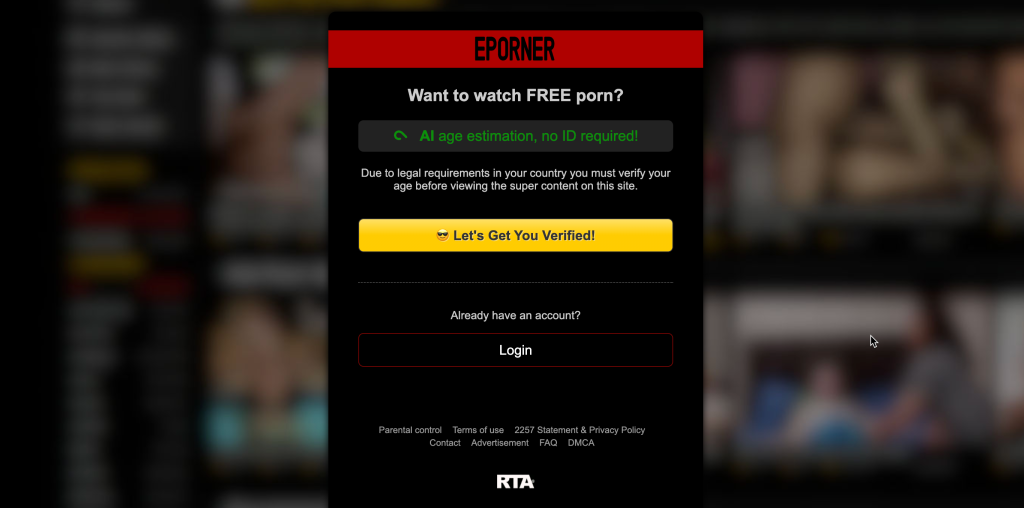
“Safe” is a relative term. A website might not host viruses directly on its servers, but it can still be a gateway to significant privacy risks and security threats.
Let’s explore EPORNER, moving beyond the surface-level HD videos to uncover what is really happening behind the scenes.
What Is EPORNER and Why Is It So Popular?
EPORNER has carved out a significant niche in the adult industry, often ranking just below the massive “Big Three” platforms. It has built a loyal following by focusing on high-quality video content, including 4K and VR experiences, which was a major differentiator in its early years. For many users, it feels like a more “premium” version of the standard free tube sites.
However, maintaining such a massive library of high-bandwidth content is expensive. Unlike mainstream sites that use Google or Facebook for advertising, adult platforms are forced into “Tier 3” ad networks. These networks are far less regulated and often prioritize profit over user safety, which is where the primary security concerns begin to emerge.
What Are the Real Dangers Lurking on Adult Websites?
The most common question users ask is: “Will I get a virus from EPORNER?”
Technically, the EPORNER domain itself is clean and uses modern TLS 1.3 encryption to secure your connection. The real danger lies in “malvertising”—malicious scripts hidden within the advertisements that populate the site.
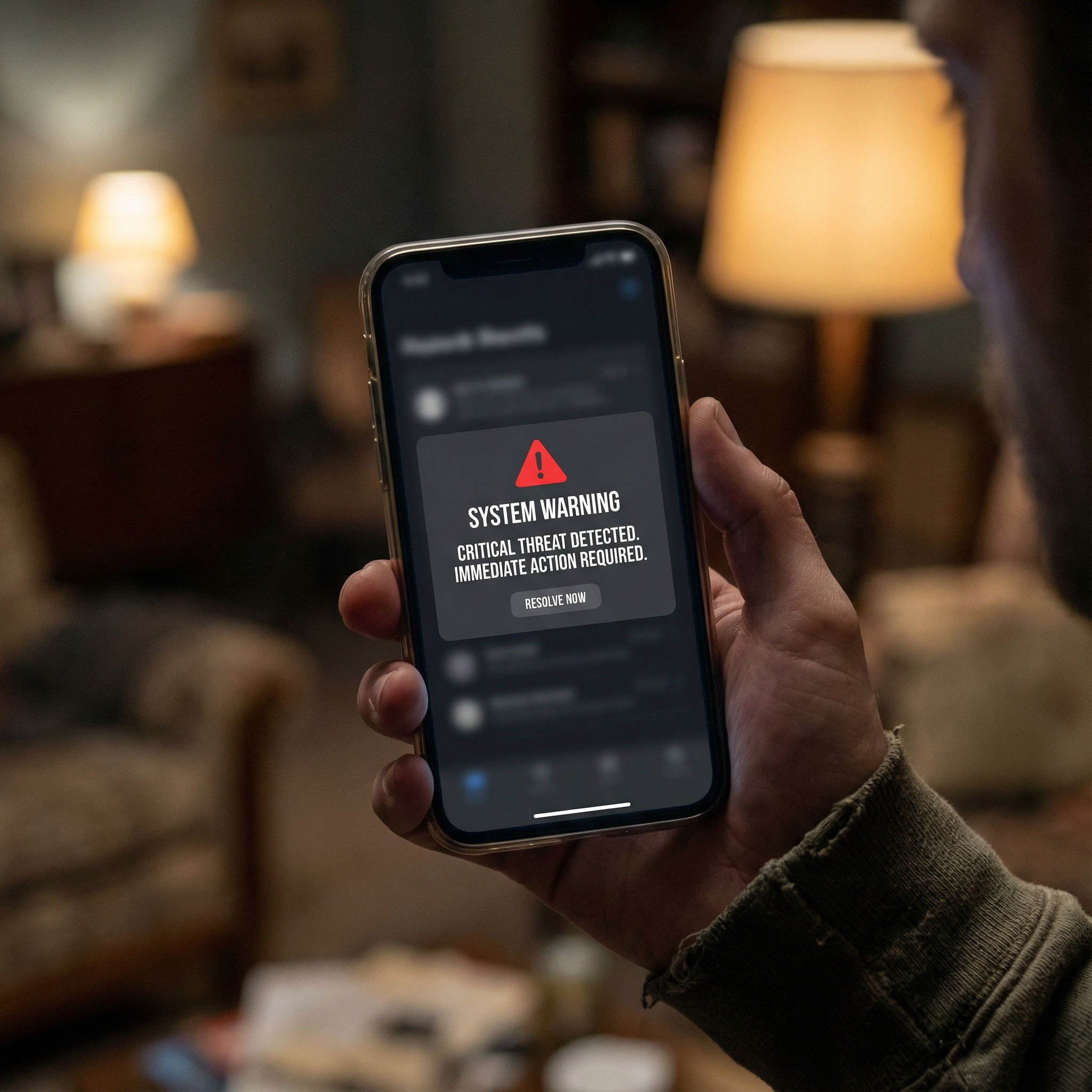
These ads don’t just sit there; they can trigger “pop-unders” that open new browser windows behind your active one, or display deceptive system alerts designed to scare you into downloading unwanted software. These “scareware” tactics are a hallmark of unregulated ad networks.
While the video you are watching is safe, the invisible scripts running in the background could be attempting to fingerprint your device or redirect you to phishing sites.
| Threat Type | Description | Risk Level |
|---|---|---|
| Malvertising | Malicious code embedded in advertisements. | High |
| Scareware | Deceptive pop-ups claiming your device is infected. | Moderate |
| Phishing | Redirects to fake login pages to steal credentials. | High |
| Fingerprinting | Scripts that identify your unique device “signature.” | Moderate |
How Is Your Online Activity Being Tracked?

Many users believe that opening an “Incognito” or “Private” tab makes them invisible. This is one of the most dangerous myths in online privacy. Incognito mode only prevents your browser from saving your history locally; it does absolutely nothing to hide your activity from your Internet Service Provider (ISP).
In many regions, ISPs are legally allowed to log every domain you visit and even sell this “anonymized” data to advertisers. In the UK and parts of the EU, they are often required to retain these logs for up to 24 months. This means that even if you clear your browser history, a permanent record of your visits to sites like EPORNER exists on your ISP’s servers, creating a significant privacy liability.
Why Should You Be Cautious About Age Verification?
As we move through 2026, new global laws are requiring adult sites to implement mandatory age verification in many countries. While the intent is to protect minors, the execution creates a massive new privacy risk: the “Identity-to-History” link.
When you upload a driver’s license or use a credit card to verify your age, you are creating a digital bridge between your real-world identity and your private browsing habits.
These verification services are often handled by third-party companies. If their databases are ever compromised—a common occurrence in the high-value data world—your full name and address could be leaked alongside your viewing history. For most users, this permanent digital trail is a far greater risk than the “safety” the laws claim to provide.
The good news is that you don’t have to leave your privacy to chance.
You can create what we call “digital armor” to protect yourself from both malvertising and ISP tracking. The most effective way to do this is by using a combination of a high-quality Virtual Private Network (VPN) and a robust ad-blocker.
Top 3 VPNs to Protect Your Privacy
Based on our expert analysis of speed, privacy features, and reliability, here are the top three VPN recommendations for users who prioritize their online security while browsing adult content.
| VPN Provider | Key Privacy Feature | Best For |
|---|---|---|
| NordVPN | Integrated “Threat Protection” | Blocking malvertising and trackers at the source. |
| Surfshark | Unlimited device connections | Privacy for the whole household at an affordable price. |
| ExpressVPN | RAM-only “TrustedServer” tech | Maximum security with no data ever written to a hard drive. |
1. NordVPN: The All-in-One Security Suite
NordVPN is a powerhouse when it comes to privacy. Its “Threat Protection” feature is particularly useful for sites like EPORNER, as it blocks malicious websites, trackers, and ads even if you aren’t connected to a VPN server. With a strict no-logs policy audited by third parties, it ensures your browsing history stays private.
2. Surfshark: Privacy Without Limits
If you have multiple devices, Surfshark is an excellent choice. It allows for unlimited simultaneous connections, meaning you can protect your phone, laptop, and tablet all at once. Its “CleanWeb” feature is highly effective at stripping away the aggressive ads and pop-ups that plague adult sites.
3. ExpressVPN: The Gold Standard for Anonymity
ExpressVPN is known for its incredible speeds and its “TrustedServer” technology, which ensures that all data is wiped every time a server is rebooted. Based in the British Virgin Islands, a jurisdiction with no data retention laws, it offers a level of legal protection that is hard to beat for those seeking total anonymity.
How to Stay Safe Moving Forward?
Staying safe on the modern internet requires a proactive approach. While EPORNER itself may not be a “virus,” the ecosystem it exists in is designed to track you and, in some cases, deceive you. By understanding the risks of malvertising, ISP tracking, and the new age verification landscape, you are already ahead of the curve.
The ultimate solution is simple: never browse unprotected. By using a reputable VPN and an ad-blocker, you can enjoy the content you want without leaving a digital trail or risking your device’s security. Your privacy is a right, not a privilege—make sure you are taking the steps to protect it.